


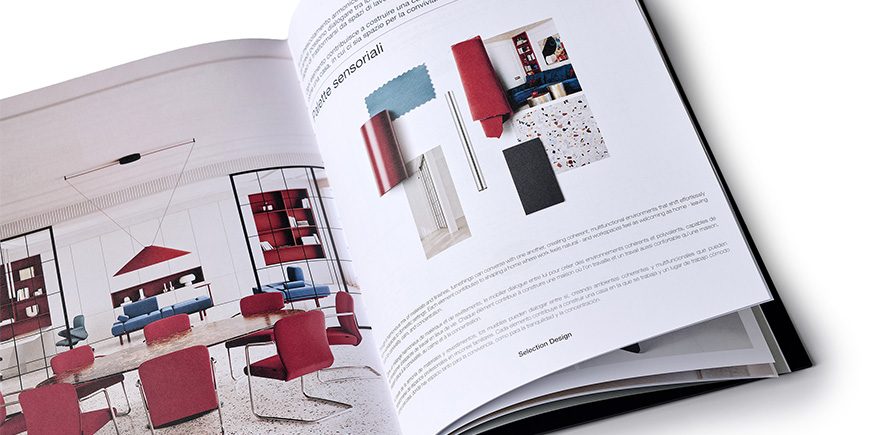
Selection Design is the editorial book by Diemme dedicated to contemporary spaces. A collection of environments, products and inspirations designed to interpreting how the means of welcoming, working, meeting and transforming change. Useful for architects, designers and professionals seeking concrete references, scenarios and ideas applicable to projects.
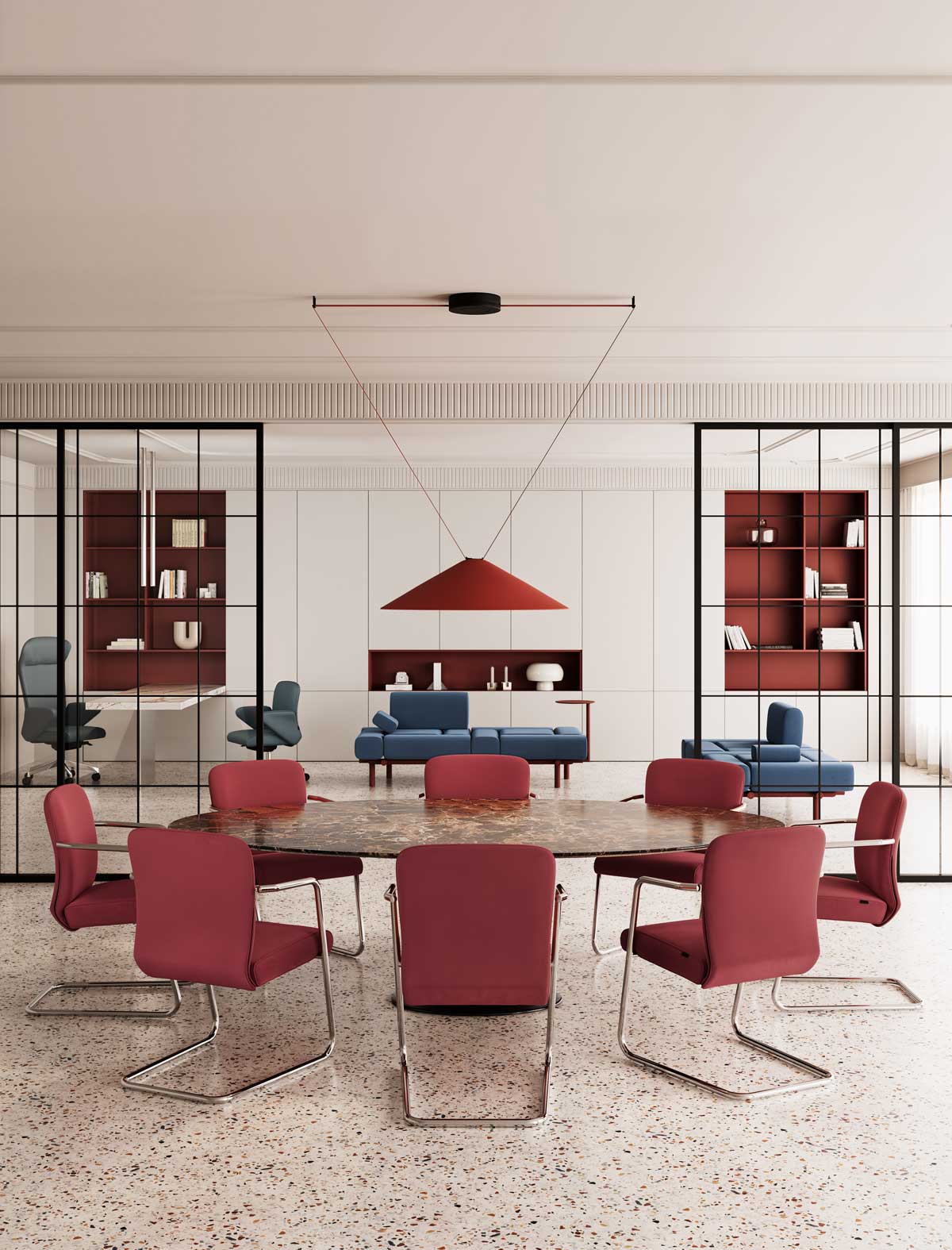
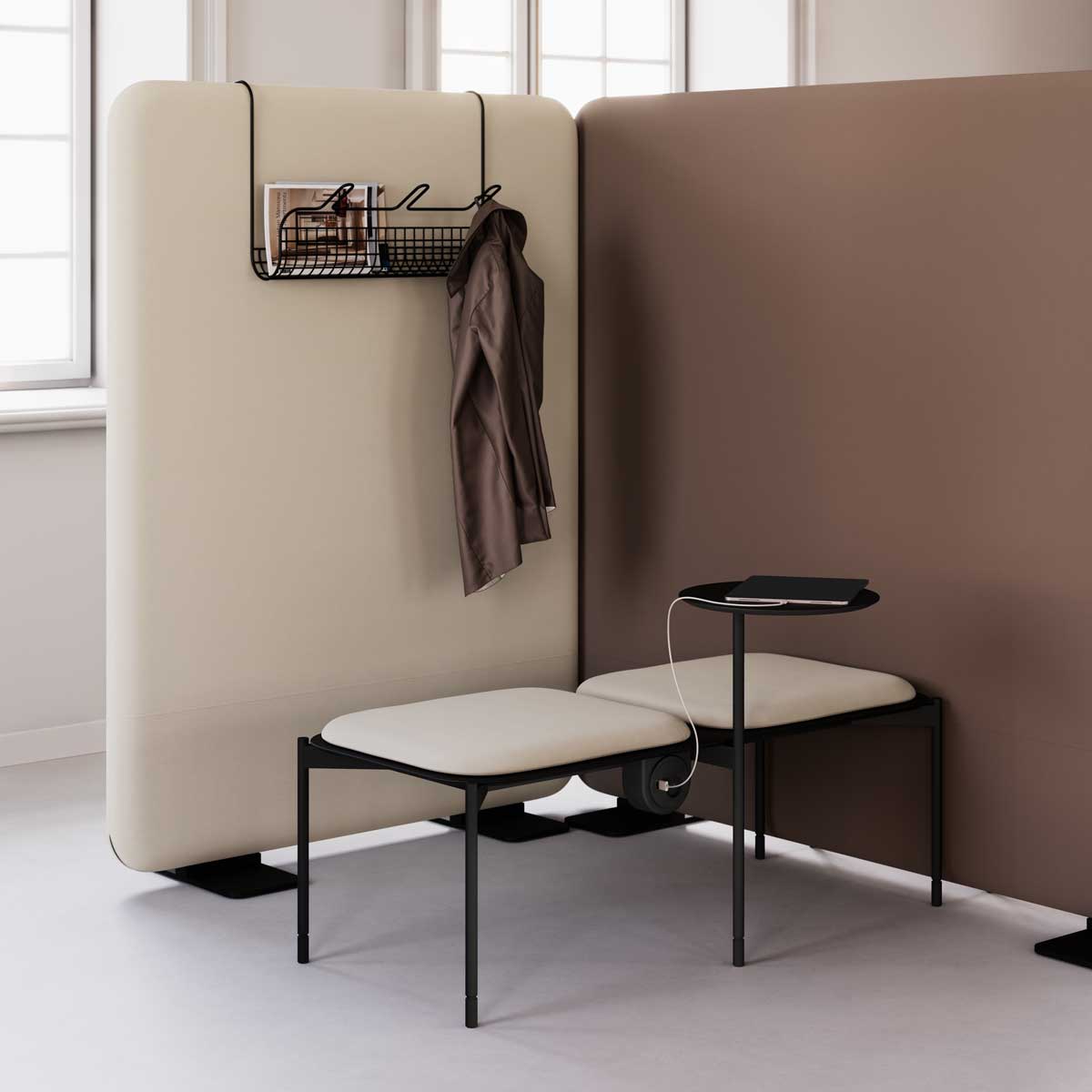
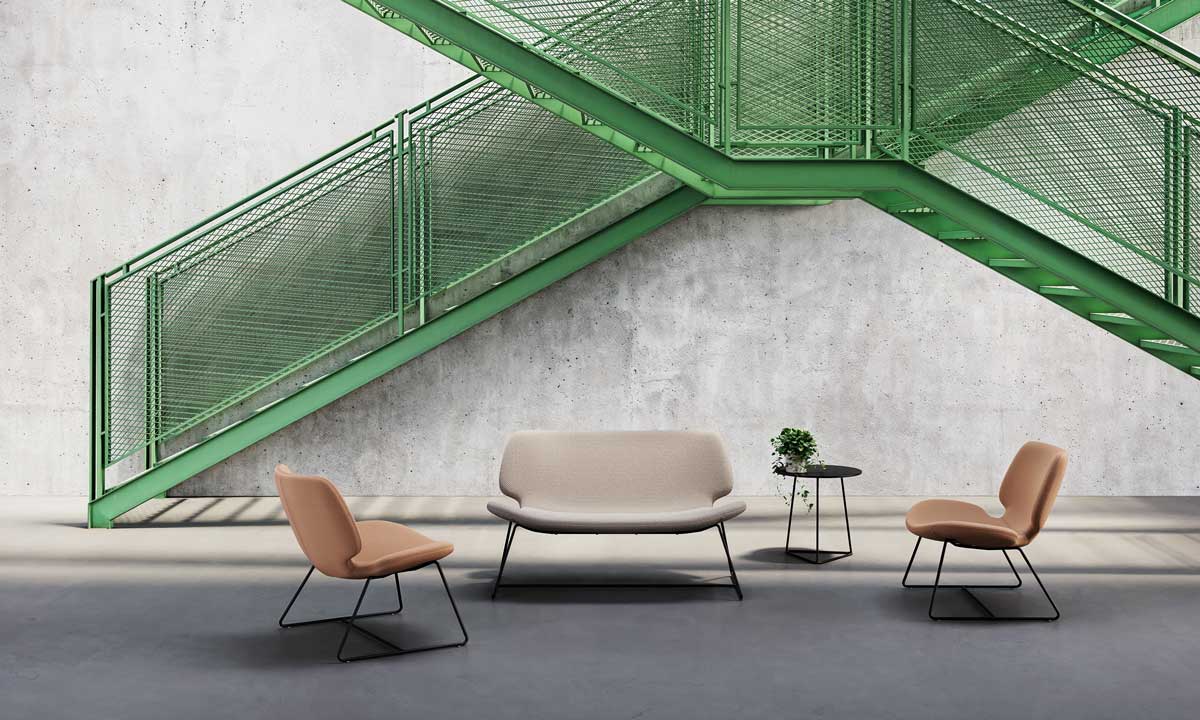
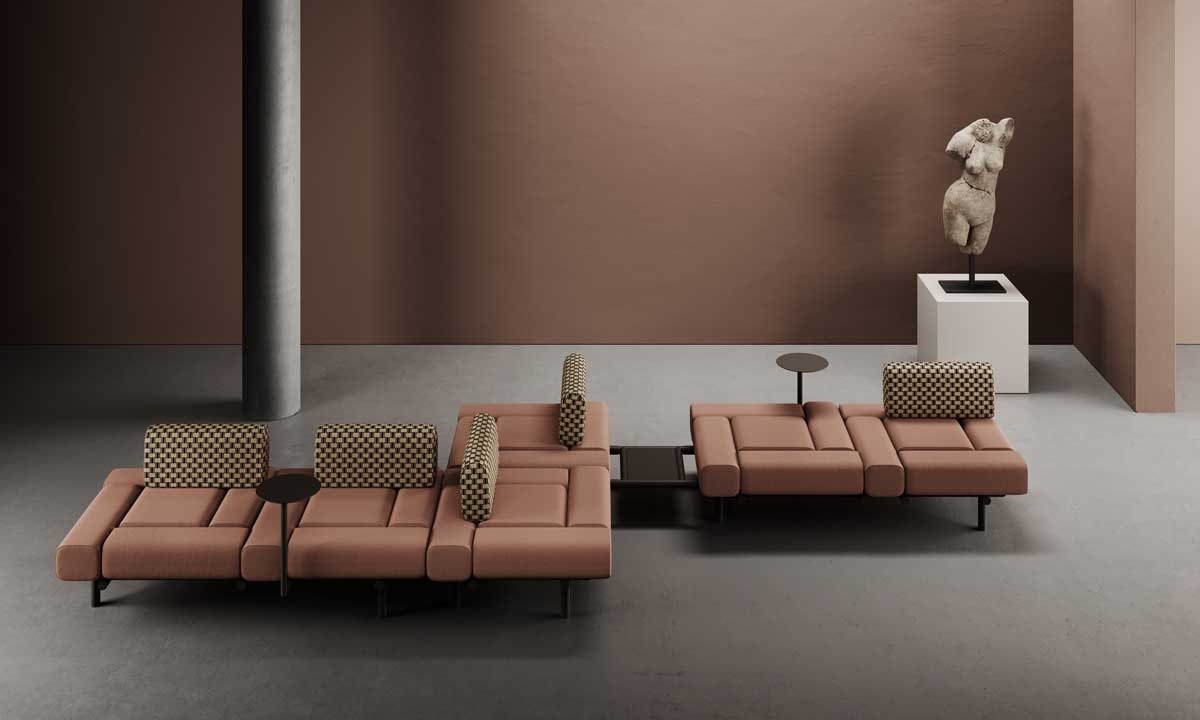
Spaces change. Design responds.
In design, everything starts from an encounter – between matter and idea, between function and emotion, between people and the spaces that welcome them. Each project is an open dialogue, a response to needs that needs editing and refinement over time. It is from this vision that Selection Design takes the shape of an editorial book by Diemme, telling how the contemporary project evolves through work, meetings, learning and hospitality. Not a collection of furnishings, but a reading of scenarios – fluid environments, products designed to adapt, details that transform the experience. Because designing does not only mean furnishing a space but imagining how it will be lived in, inhabited and narrated.
What is Selection Design?
Selection Design by Diemme is an editorial book that combines environments, products and inspirations in a reading for different contexts. It was not created to “present collections” but to correlate languages, contexts and different ways of living in spaces, be it in the office, meeting spaces, educational environments or even in hospitality, through to the hybrid territories between home and work.
Coexisting inside Selection Design are images, configurations and focuses that help in reading the contemporary project with greater awareness. The point is not to list furnishings but to show how comfort, aesthetics and functionality can build coherent and lasting experiences. In this sense, the book becomes a useful tool for architects, designers and professionals, as an operational reference to interpret space over time, not a simple product overview.
A project born from an encounter
Selection Design stems from a simple idea: in design, everything takes shape from the encounter between the material and project, between everyday acts and the space that welcomes them. But for this encounter to work, it must become a process. For Diemme, that means working with a culture of doing built over time: artisanal tradition and technological innovation, attention to detail from prototype to finished product, a link with the territory comprised of local partners who share attention to people and sustainability. It is this method that makes possible a reading of “contexts” – environments in which comfort, image and durability are not promises but design choices that are seen in the materials, in the configurations and that form part of the individual focuses found in Selection Design.
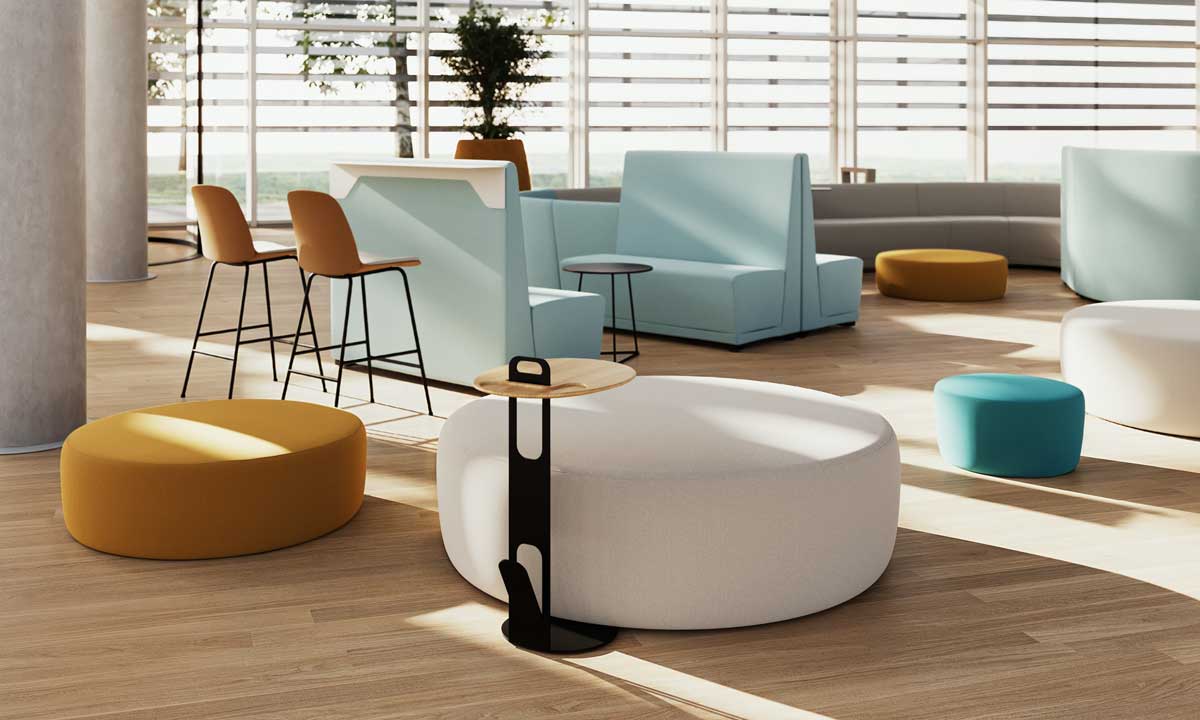
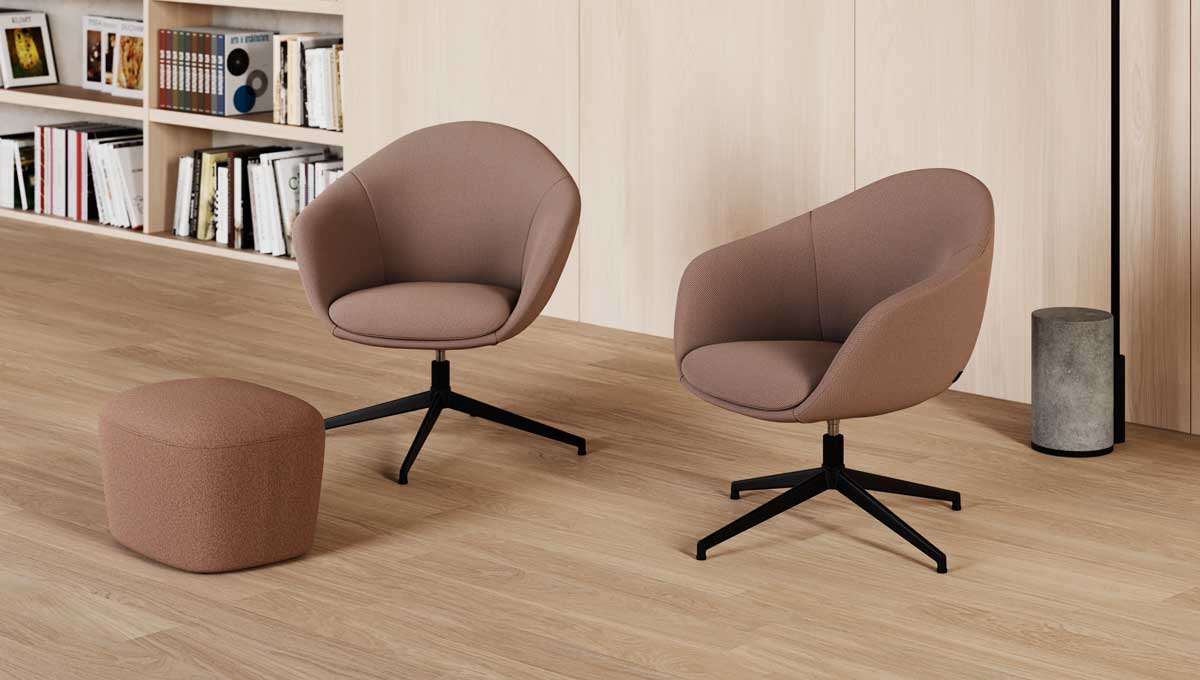
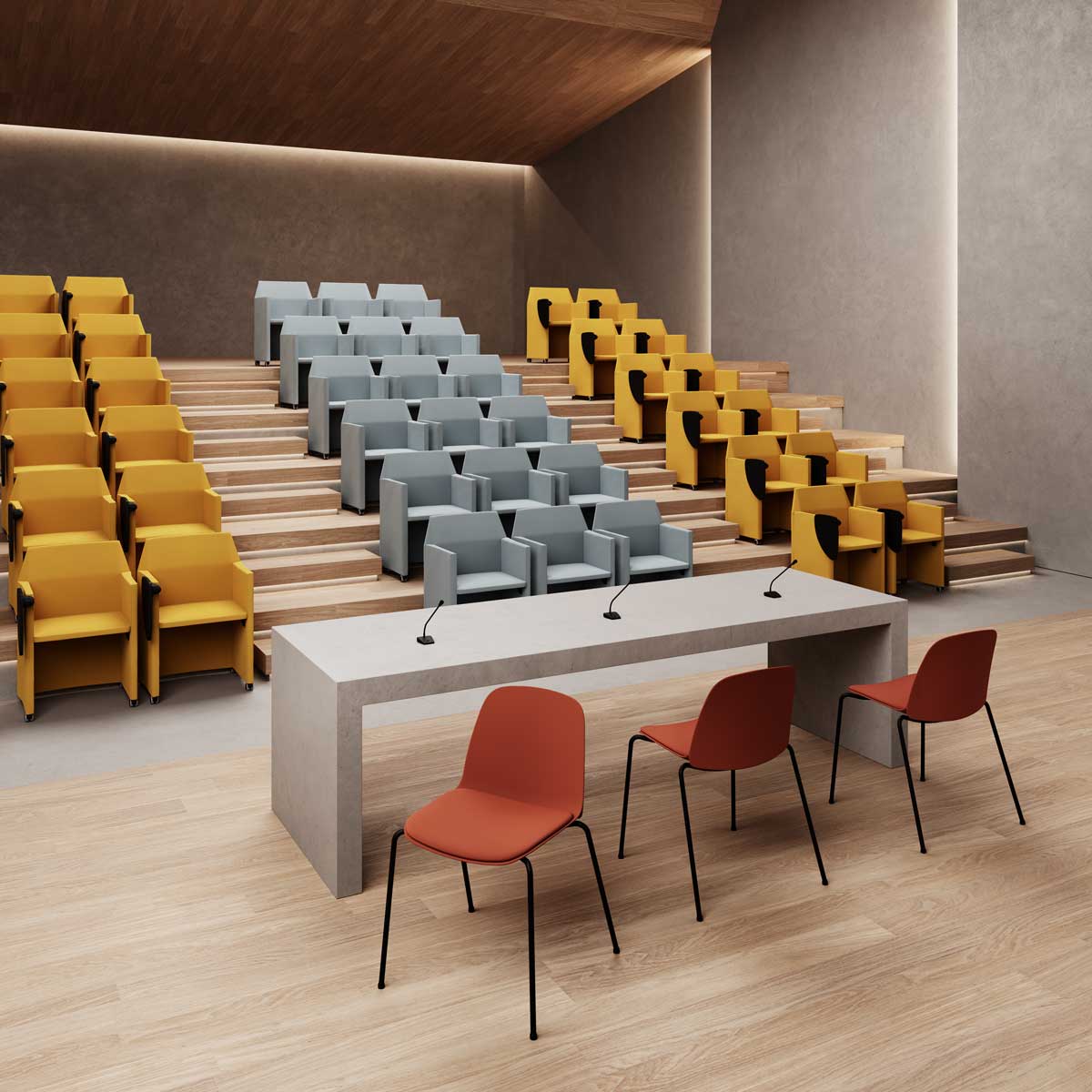
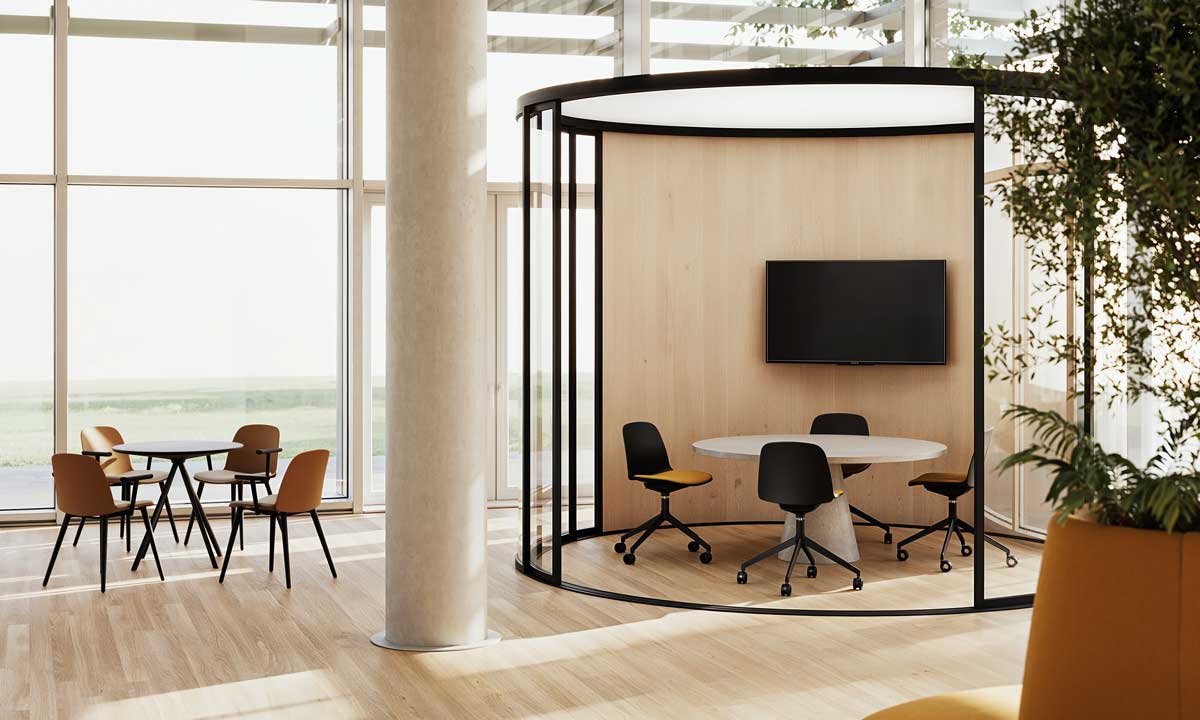
How to read Selection Design: contexts, configurations and materials
Selection Design is designed to be consulted like a project – not in any obligatory order but starting from the context closest to your needs. You can enter from the chapter that concerns your context — meeting spaces, work, learning, co-working, home or hospitality — and use images, configurations and focuses as concrete references to interpret the environment and its transformations.
The book can function in two complementary ways. The first is inspirational, helping to define the atmosphere, language and identity of a space, linking shapes, colours, materials and volumes. The second is operational, supporting architects and designers in evaluating choices that really affect the result — modularity and flexibility, comfort, coverings, management and durability — and in building solutions consistent with the rhythms of actual usage.
For this reason, Selection Design does not replace a catalogue but complements it. It is a guide that orients the reading of products within contemporary contexts, helping to understand why the same seating can change meaning depending on the space and how a project can remain recognisable even when it has to adapt.
Six chapters, one vision
Every space has its own language. And every language requires a design capable of holding together identity, function and flexibility. For this reason, Selection Design is divided into six chapters, each dedicated to a different way of experiencing contemporary space. They are not rigid categories as much as settings – real contexts in which the actions, rhythms and needs of the people who live in each single place evolve.
- Meeting spaces – halls, lounges and public places as fluid environments, where design fosters spontaneous connections and transforms waiting into experience.
- Work geographies – from the executive to the open space, different expanses that share comfort, functionality and freedom of use, with a balance between tradition and innovation.
- Architectures of knowledge – flexible and dynamic educational environments, designed to adapt to ever-changing rhythms, groups and modes of learning.
- Metamorphosis of spaces – hybrid and reconfigurable contexts where work, collaboration and creativity intertwine and the furniture becomes part of a living flow.
- Places to live – the home as a living space, where work, sociality and rest coexist and the furniture creates micro-environments without losing aesthetic balance.
- Environments that welcome – contemporary hospitality as a story comprised of meeting, waiting and details, in increasingly multifunctional lobbies and receptions.
This structure makes the book immediately navigable. You can start from the scenario closest to your project and discover how products, materials and configurations change meaning depending on the context.
The themes that run through the project
In addition to the six chapters dedicated to settings, Selection Design works on a broader horizon, across transversal themes that do not belong to a single physical place but are continuously intertwined across different areas and functions. They are the guidelines of contemporary design, those that return when a space changes pace, when a context becomes hybrid, when the experience must remain consistent over time. In other words, they are the levers that define the real quality of an environment, not only how it looks but how it is lived, how it is managed and how much it adapts without losing identity.
- Modularity – systems that allow for the building of different configurations and the reconfiguring of environments while maintaining coherence, balance and readability.
- Materials and coatings – the “skin” of experience, where aesthetics, tactility and daily management meet, defining atmosphere and perceived durability.
- Comfort – immediate and prolonged wellbeing, designed for different rhythms of use and for promoting relationships, concentration and rest.
- Flexibility – spaces that morph during the day and adapt to people, activities and hybrid contexts, without ever becoming “temporary”.
- Durability and responsibility – designing what lasts, reducing waste and choosing solutions designed to remain ever updatable, repairable and, where possible, recyclable.
- Perceived quality – the overall balance that renders an environment credible and welcoming, built with shapes, colours, finishes and details that speak the same language.
- Management and maintenance – the operational dimension of high-use projects, where materials and solutions impact the daily life of spaces and their efficiency over time.
These themes are particularly dear to Diemme, which we often discuss also on social media (Instagram | LinkedIn).
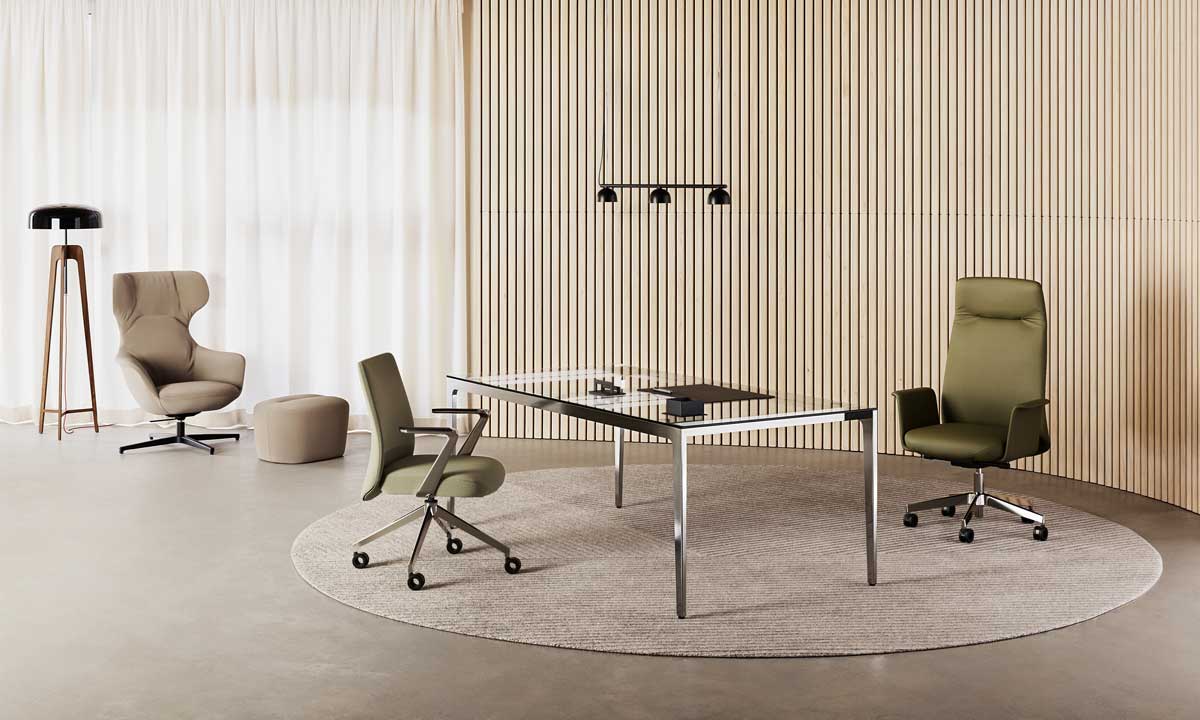
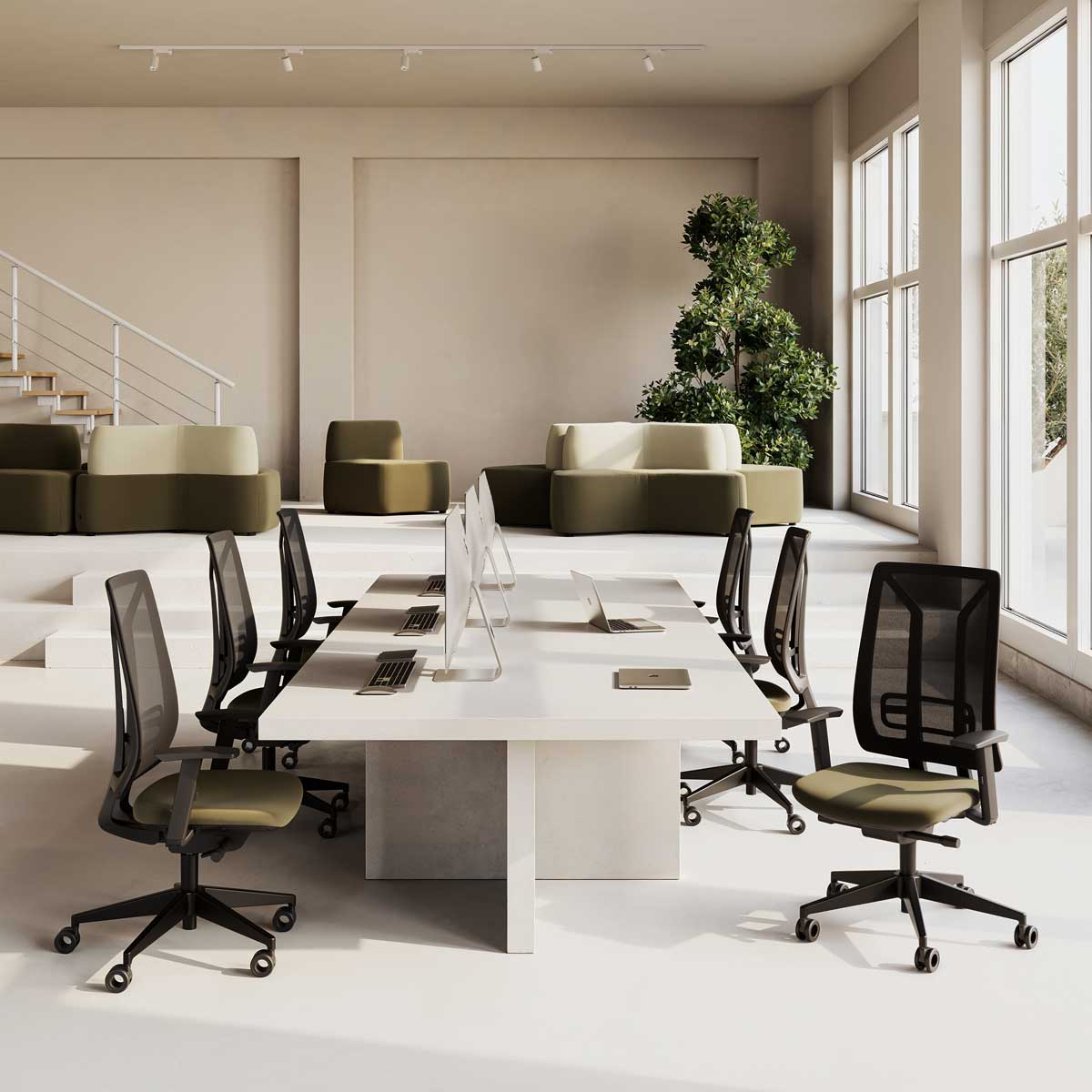
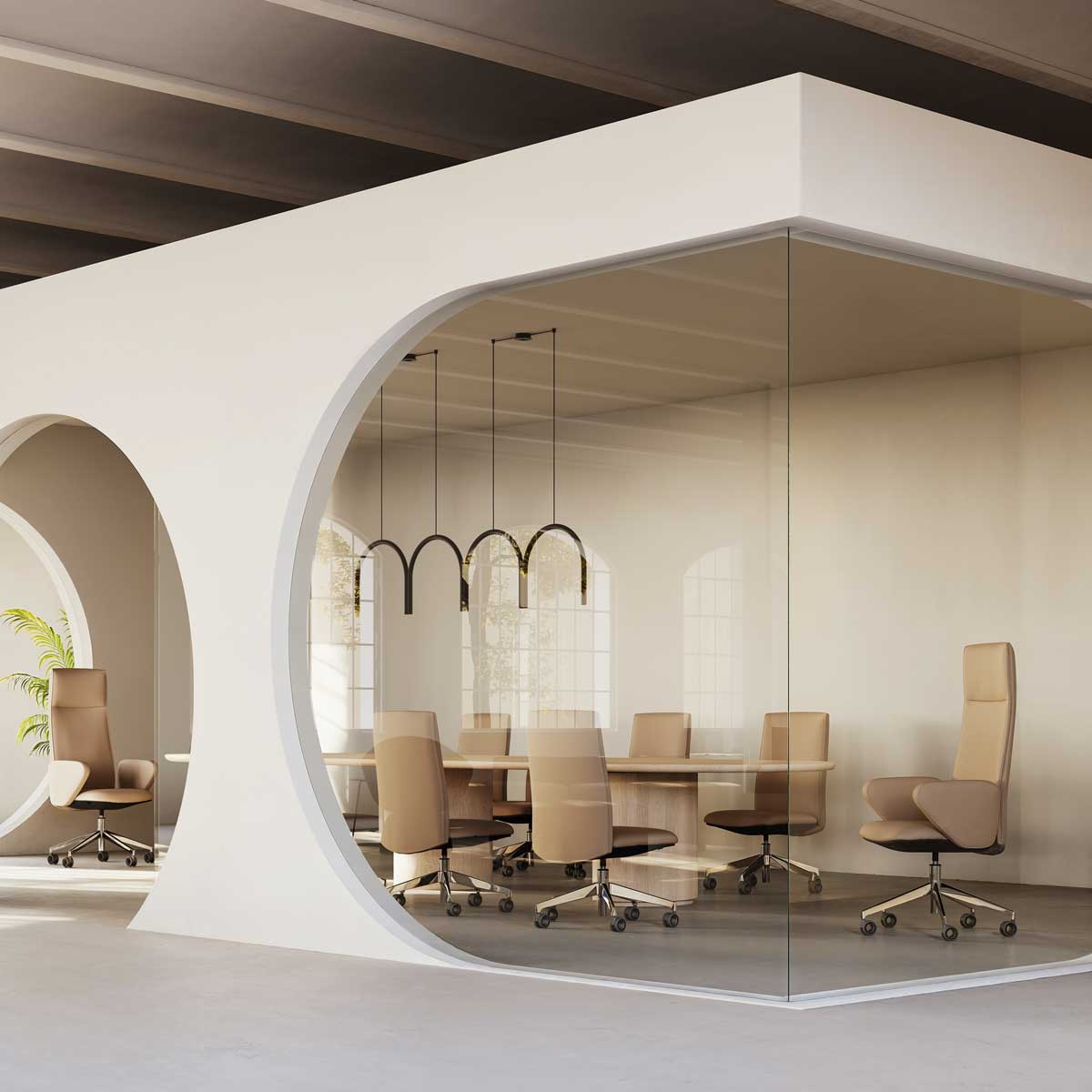
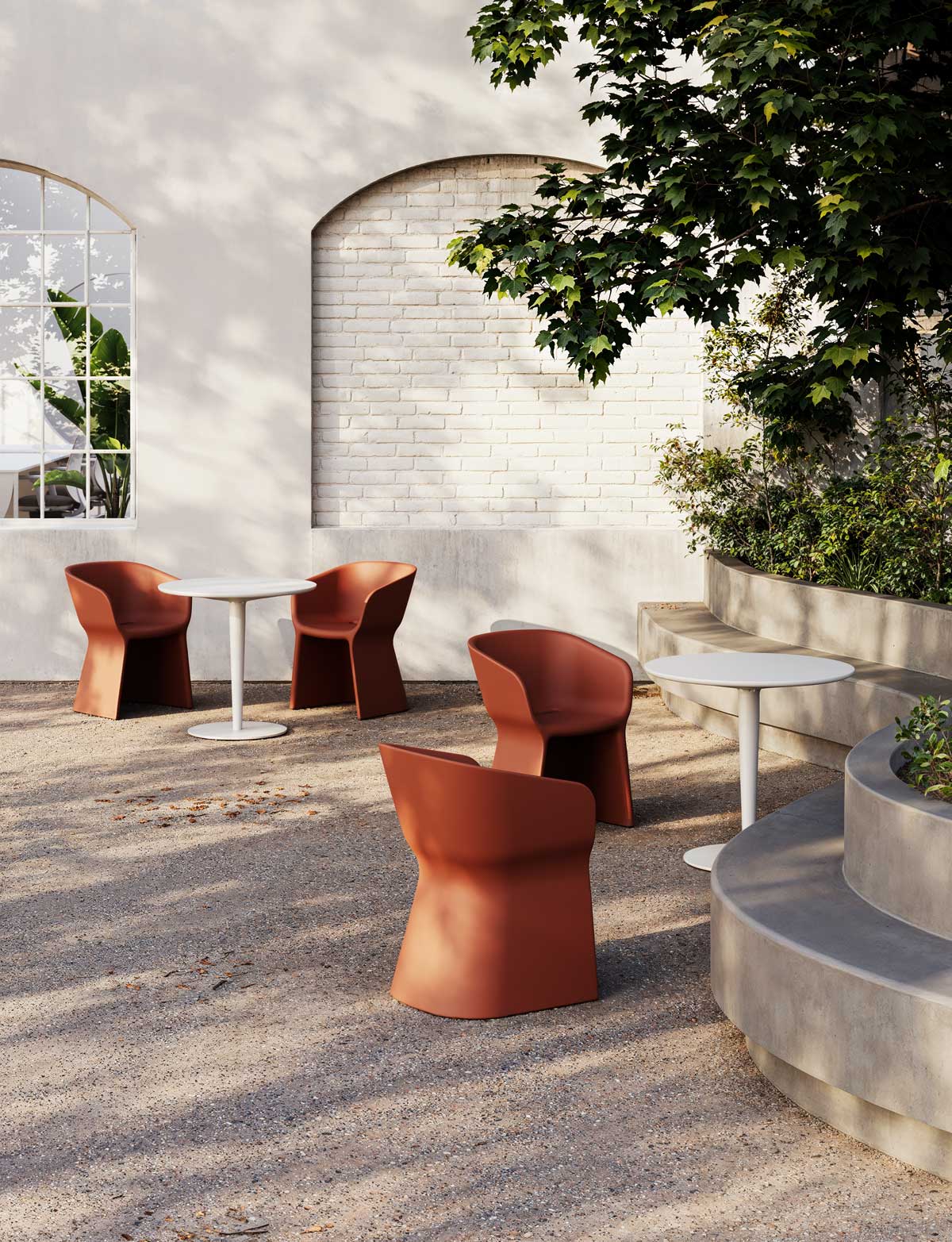
Diemme’s vision behind the book
Selection Design also tells the way in which Diemme approaches the project. It comes from a manufacturing culture built over time, from an artisanal tradition that continues to guide our work and from a design sensibility that we develop each day, even internally.
For us, design is never an isolated gesture but comes as the result of a constant dialogue between idea and realisation, between form and function, between materials, comfort and quality. It is in this equilibrium that products designed to last and to interpret spaces with coherence take shape.
At the base are values that have we have always upheld: Made in Italy, in-house production and attention to every step of the process. It is this method that allows us to combine aesthetics and responsibility, attention to detail and solidity, image and durability. In Selection Design, this vision becomes a narrative – not to celebrate an identity but to make it readable through settings, materials and design choices that accompany the evolution of contemporary spaces.
Download Selection Design
Discover a new way to read contemporary space. Download Selection Design here and let yourself be guided through six chapters and all the traversal themes that intertwine work, meeting, learning, home and hospitality in a single vision of design.
FAQs about Selection Design
Is Selection Design a product catalogue?
Selection Design is not a product catalogue. Selection Design is an editorial book that combines environments, product selections and inspiration to read contemporary space by contexts, not by lists of collections. The value lies in showing how shapes, materials and configurations change meaning based on the context and rhythms of use.
Who is Selection Design dedicated to?
Selection Design is dedicated to architects, designers and professionals who deal with workspaces, tenders, hospitality and hybrid spaces. Selection Design is also useful for those seeking inspiration with a more conscious reading of the contemporary project due to connecting aesthetics and operational choices (comfort, materials, flexibility, durability).
What environments and contexts does Selection Design include?
Selection Design includes six chapters: Meeting spaces, work geographies, architectures of knowledge, metamorphosis of spaces, places to live, environments that welcome … Each chapter interprets a different way of experiencing space today, with recognisable settings and a coherent vision that traverses different contexts.
What can you find in Selection Design, besides images?
Within Selection Design, you will find settings, product selections, configurations and transversal focuses. Selection Design does not just show furnishings but highlights the choices that affect the quality of the experience with materials and finishes, comfort, flexibility, daily management and durability. It is content designed to guide the project, not just to present solutions.
How can Selection Design help you with a project?
Selection Design can help you with a project in two ways: inspirational and operational. In an inspirational way, Selection Design helps define language, atmosphere and aesthetic coherence. Operationally, Selection Design supports concrete choices on modularity, comfort, coverings, flexibility of spaces and durability, based on actual rhythms of usage.
Does Selection Design replace the All Products catalogue?
Selection Design does not replace All Products but supports All Products in guiding the reading of collections within contexts and scenarios, highlighting connections and design criteria. In practice: All Products is completeness; Selection Design is direction and interpretation.
Where do the transversal themes of Selection Design come into play?
The transversal themes of Selection Design pervade all chapters and all settings. Modularity, materials, comfort, flexibility, durability, perceived quality and management are not in the margins, but a horizon that intertwines different environments. They are the levers that determine the real quality of a space – how it is lived, how it is managed and how much remains consistent over time.
How can I download Selection Design?
You can download Selection Design from the Diemme website via this link. After downloading, you can consult Selection Design, starting right from the chapter that best aligns with your project or following the transversal themes as a guide. It is a quick way to navigate between contexts, materials and configurations with a design logic.